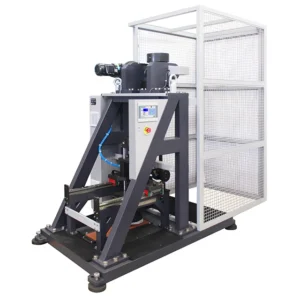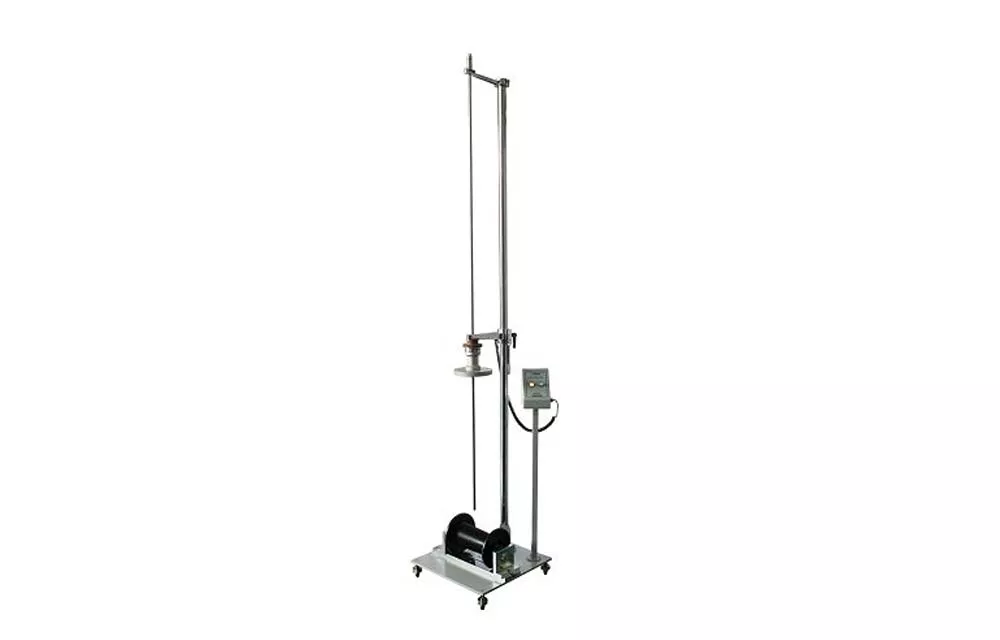
A plastic drop impact tester is a testing device used to evaluate the strength of materials. Its function is to simulate the impacts that materials may face in real-world applications by adjusting the impact disc of a specific weight and allowing it to fall freely onto the sample. By observing the degree of damage to the sample, testers can determine the material’s impact resistance.
It is suitable for industries such as plastics and rubber, materials science, construction, aerospace, automotive, medical devices, toy manufacturing, and electronics, as well as general industrial manufacturing.
It is suitable for testing the durability of various materials, including plastics, ceramics, acrylics, fiberglass, and coatings.
The testing methods for plastic drop impact testing machines are standardized by organizations, ensuring consistency in testing processes and results, and allowing for comparison with test results from other laboratories or manufacturers.
It can be used for quality control on the production line to ensure that products meet standards. At the same time, by testing materials under different formulations or processing methods, it can guide improvements in product design and manufacturing processes.
For newly developed materials or products, the plastic drop plate impact tester can assess their impact resistance at an early stage, helping to improve and optimize them.
It can be used to assess the safety performance of products, especially in industries where it is necessary to ensure that products will not be in dangerous situations due to external impacts, such as medical devices and electrical products.
This test method ensures that products comply with relevant industry standards and regulations, reducing risks and improving market compliance.
It is not only suitable for product quality inspection but also for material research and development to ensure sufficient strength and durability in actual use. Through the application of the plastic drop plate impact tester, manufacturers and R&D personnel can more comprehensively evaluate material performance, improving product quality and reliability.
It can simulate different impact scenarios that materials may face in real-world applications, thereby more realistically evaluating their performance.
Users can simulate different impact conditions by adjusting the weight of the impact plate and the height of the drop.
Providing quantitative test results allows users to accurately assess the impact resistance of materials, helping to determine whether materials meet specific quality standards and specifications.
Operators can easily set up test conditions, execute tests, and interpret the results.
The test results are intuitive and easy to understand. By observing the degree of damage to the sample, users can easily assess the material’s performance.
Compared to trial and error in actual use, using a falling ball impact tester can save time and costs, help identify potential problems in the early stages of product development, and reduce the need for later corrections.
| maximum height | 2.7m |
| Fall control method | Electromagnetic control |
| Impact plate weight | 3kg, 5kg, 7kg options available (custom sizes available) |
| Volume (W×D×H) | 55×55×269 cm |
| power supply | 1∮, AC 220V, 50Hz/60Hz (depending on country or specified) |
Villa Payung Indah B 27, Jawa Tengah, Pudakpayung, Kec. Banyumanik, Kota Semarang, Jawa Tengah 50265
Copyright 2023 Amtast Multisado