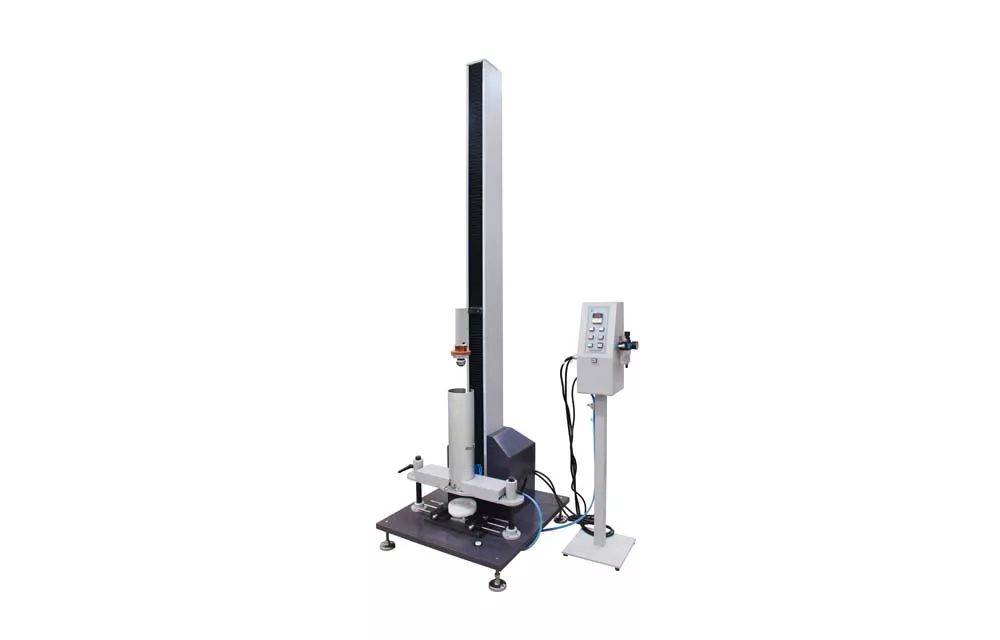
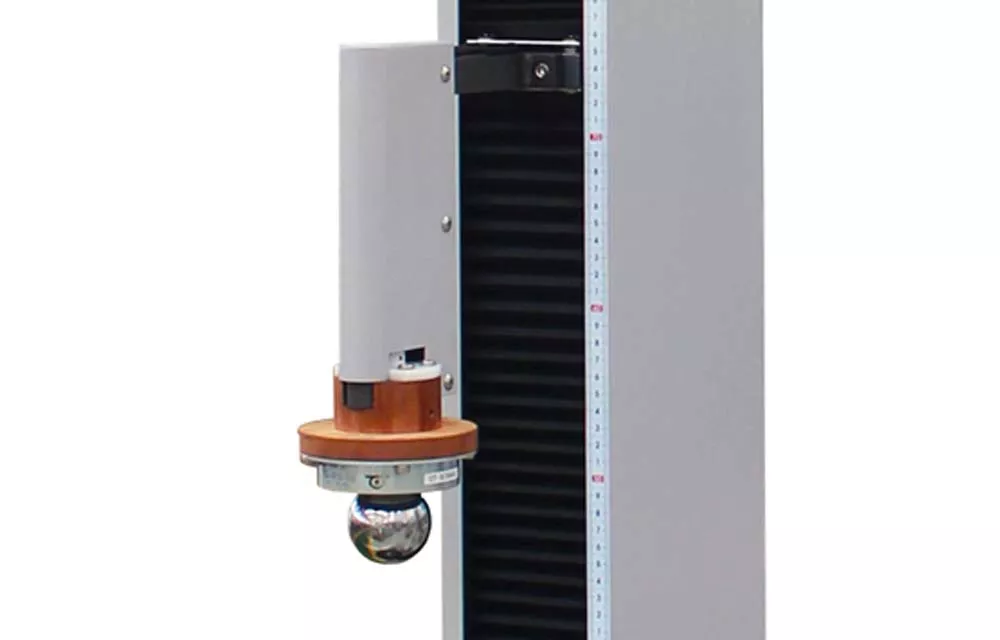
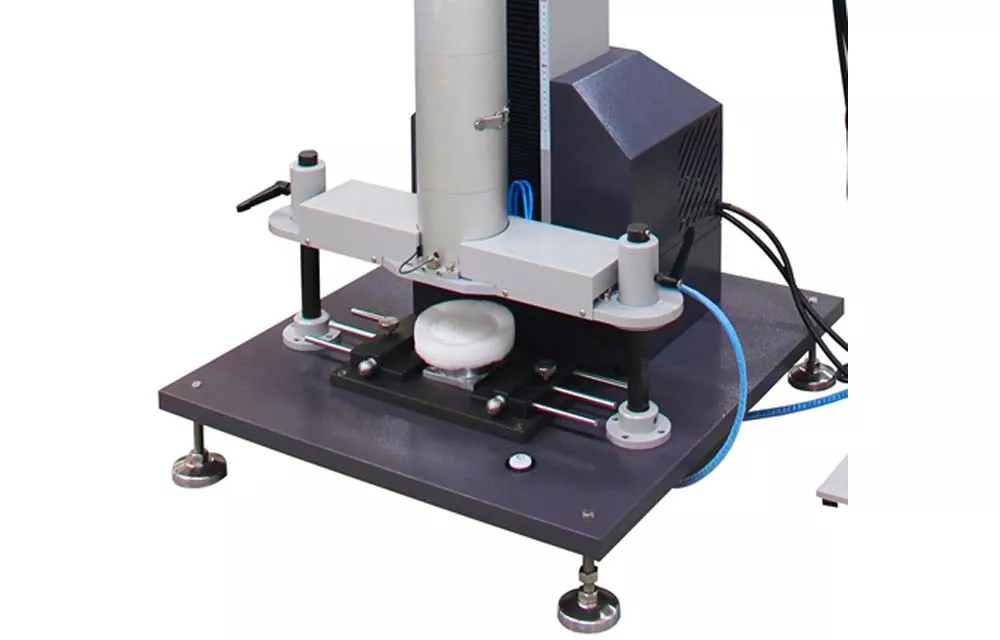
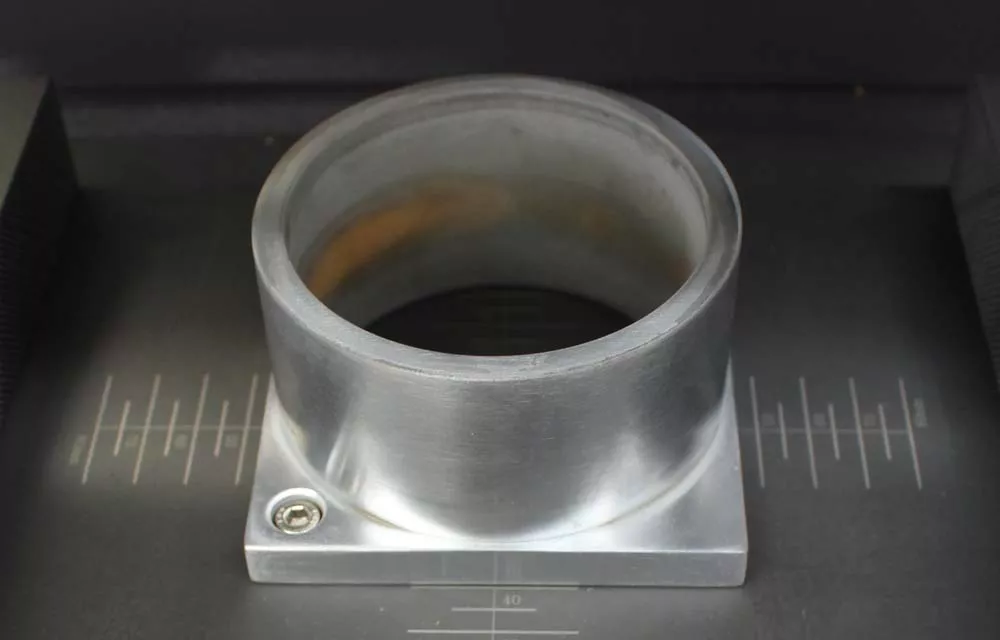
A plastic drop ball impact tester is a testing device used to evaluate the strength of materials. Its function is to simulate the impacts that materials may face in real-world applications by allowing a steel ball of a specific weight to fall freely and impact the sample. By observing the degree of damage to the sample, testers can determine the material’s impact resistance.
It is suitable for industries such as plastics and rubber, materials science, construction, aerospace, automotive, medical devices, toy manufacturing, and electronics, as well as general industrial manufacturing.
It is suitable for testing the durability of various materials, including plastics, ceramics, acrylics, fiberglass, and coatings.
The testing methods for plastic drop ball impact testers are standardized by organizations, ensuring consistency in testing procedures and results, and allowing for comparison with test results from other laboratories or manufacturers.
It can be used for quality control on the production line to ensure that products meet standards. At the same time, by testing materials under different formulations or processing methods, it can guide improvements in product design and manufacturing processes.
For newly developed materials or products, the plastic drop ball impact tester can assess their impact resistance at an early stage, helping to improve and optimize them.
It can be used to assess the safety performance of products, especially in industries where it is necessary to ensure that products will not be in dangerous situations due to external impacts, such as medical devices and electrical products.
This test method ensures that products comply with relevant industry standards and regulations, reducing risks and improving market compliance.
It can simulate different impact scenarios that materials may face in real-world applications, thereby more realistically evaluating their performance.
Users can simulate different impact conditions by adjusting the weight of the steel ball and the height from which it falls.
Providing quantitative test results allows users to accurately assess the impact resistance of materials, helping to determine whether materials meet specific quality standards and specifications.
Operators can easily set up test conditions, execute tests, and interpret the results.
The test results are intuitive and easy to understand. By observing the degree of damage to the sample, users can easily assess the material’s performance.
Compared to trial and error in actual use, using a falling ball impact tester can save time and costs, help identify potential problems in the early stages of product development, and reduce the need for later corrections.
| Impact steel ball | Ø48mm,Ø57mm,Ø63.5mm,Ø75mm |
| Ball release device | Electromagnet release |
| Dropping height | 25mm (or increments of 25mm) |
| Sample | 1. Plate sample (dimensions 150mm×150mm×6.0±0.3mm) |
| 2. Plastic part samples (complete battery case or other container) | |
| Volume (approximately) | Main unit: 77 cm × 82 cm × 258 cm |
| Control box 30 cm × 30 cm × 128 cm | |
| power supply | 1∮ AC 220V 50Hz (depending on country or specific requirements) |
Villa Payung Indah B 27, Jawa Tengah, Pudakpayung, Kec. Banyumanik, Kota Semarang, Jawa Tengah 50265
Copyright 2023 Amtast Multisado