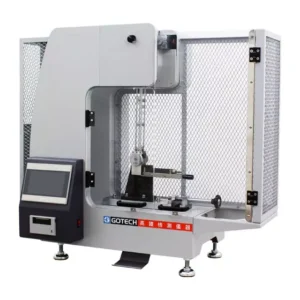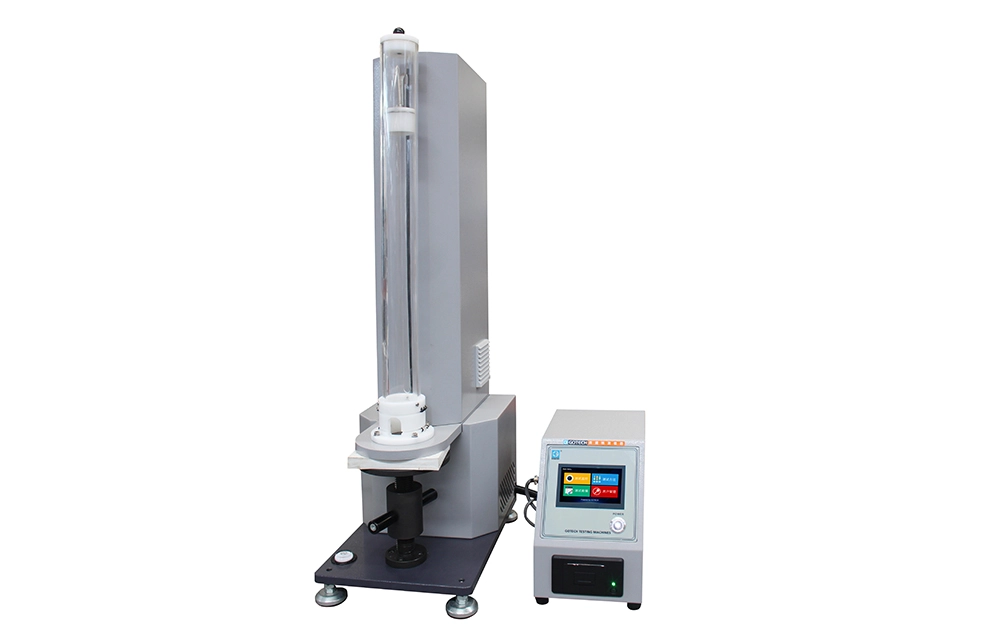
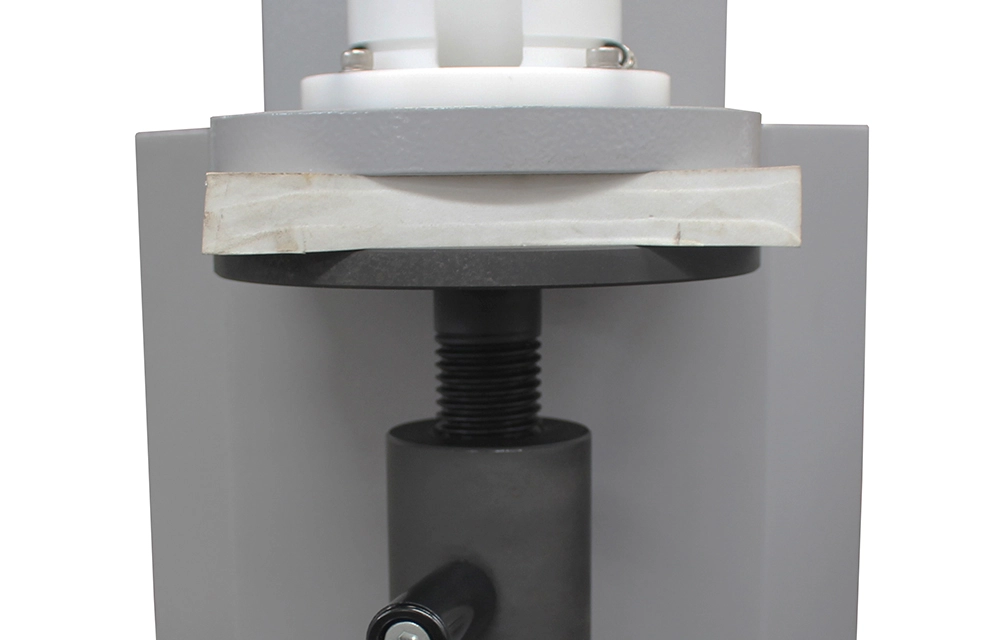
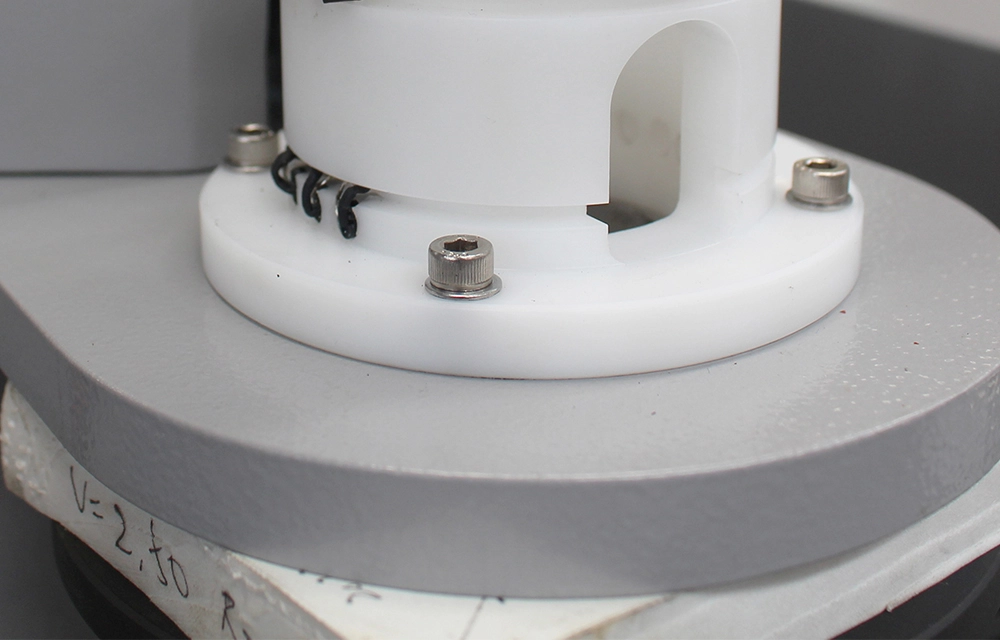
A steel ball of a given diameter and quality is dropped freely onto a foam plastic sample from a specified height. The rebound rate is calculated as the percentage of the maximum height the steel ball rebounds to the height the steel ball falls. The rebound rate represents the resilience of the foam plastic.
This instrument is suitable for determining the resilience of flexible polyurethane foam, which is its most basic and core application characteristic. Through standardized testing methods, it can accurately assess the foam’s ability to recover after impact, providing reliable data for material quality control and research and development.
Equipped with a high-precision photoelectric velocimetry device, it can quickly and accurately measure the rebound speed of the steel ball and calculate the rebound rate. The accuracy of both the rebound speed measurement and the rebound rate measurement reaches ±1%, ensuring the accuracy and reliability of the test results.
Users can set the drop height of the steel ball as needed (0~500mm) to suit different materials and testing requirements. The magnetic base movement speed can also be set within the range of 0~25mm/s, facilitating adjustment of the impact force and speed during the test.
The instrument uses a stepper motor to lift the steel ball, achieving precise control over the descent height and ensuring the stability and consistency of the testing process. Its overall structural design is reasonable, ensuring smooth operation and maintaining high-precision testing capabilities for extended periods.
The instrument uses an electromagnet to attract and release the steel ball, ensuring its free fall after release and simplifying the testing process. It is equipped with a miniature thermal printer for instant printing of test data, facilitating user recording and analysis.
The instrument’s control program supports switching between Chinese and English, making it convenient for users with different language backgrounds. The program interface is clear and intuitive, providing various functions such as viewing historical test data, setting test methods, and manual debugging, meeting diverse user needs.
The control program is fully functional, capable of displaying test data, viewing historical records, setting test parameters, and performing manual debugging. It also supports multiple language switching for user convenience.
The test height can be precisely adjusted according to actual testing needs, with intervals of 1cm, to meet the testing requirements of different samples.
Equipped with a magnetic handle, it allows users to quickly pick up and put down steel balls; the sample holder is adjustable in height to ensure testing accuracy; and the miniature thermal printer can print test data at any time, making it convenient for users to record and analyze.
| Diameter of steel ball | Φ16±0.5mm |
| Mass of steel ball | 16.8 g±1.5g |
| Diameter of transparent tube | 50mm |
| Drop height of steel ball (from the bottom of the ball to the surface of the test piece) |
Method A: 460±0.5mm Method B: 500±0.5mm |
| Size of test piece (W×D×H) | 100mm×100mm×50mm |
| Dimensions (W×D×H) | Main unit: 260×390×900mm Control cabinet: 170×280×260mm |
| Power | 1∮ AC 220V 50Hz (or specify) |
Villa Payung Indah B 27, Jawa Tengah, Pudakpayung, Kec. Banyumanik, Kota Semarang, Jawa Tengah 50265
Copyright 2023 Amtast Multisado